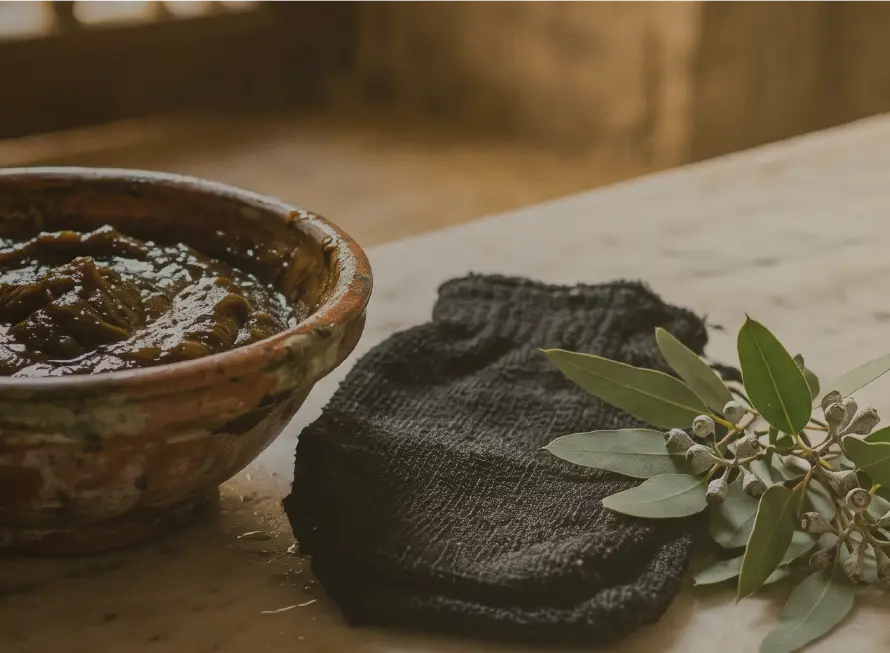
A Moroccan bath, also known as a hammam ritual, is a structured steam and exfoliation treatment designed to deeply cleanse the skin, support blood circulation, and promote full-body relaxation. At Spa Corner, the Moroccan Bath – Hammam is adapted to modern hygiene standards and tailored for men seeking effective Treatments.
This treatment goes beyond surface cleansing. Heat, moisture, and manual exfoliation work together to remove buildup, soften rough areas, and leave the body feeling lighter and refreshed. Many men in Kuwait include this ritual as part of a broader spa routine, especially when dealing with stress, gym fatigue, or dry, congested skin caused by climate and daily exposure.
What is Moroccan bath and how does it work?
A Moroccan Bath – Hammam is a steam-based body treatment built around three core stages: warming, cleansing, and exfoliation.
The session begins in a humid steam room that helps open pores and soften the outer skin layer. Steam increases skin permeability, making it easier to remove dead skin cells and impurities. After the body is warmed, a traditional cleansing paste known as black soap is applied. This soap is rich in natural oils and helps loosen dirt and debris from the skin surface.
The therapist then uses a textured exfoliating glove called a kessa to manually remove dead skin. This is where most of the visible results occur. Rolled skin particles, excess oil, and buildup are gently lifted away. The process supports smoother texture, improved product absorption, and a clean feeling that regular showers cannot provide.
The treatment typically finishes with rinsing and a light application of moisturizing products to restore hydration. Men searching for a Moroccan Bath & Body Scrub option often discover that a Traditional Moroccan Bath provides deeper exfoliation than standard scrubs.
Why is Moroccan bath popular among men in Kuwait?
Kuwait’s hot climate, frequent air conditioning, and urban lifestyle can lead to dry patches, clogged pores, and rough skin texture. A Moroccan Bath – Hammam directly addresses these concerns.
Men who benefit most include:
- Office workers with limited movement and high stress
- Gym-goers dealing with sweat buildup and muscle tightness
- Men with rough elbows, knees, and back congestion
- Those preparing for events or grooming treatments
- Clients seeking stress relief wellness services
Steam promotes relaxation by easing muscle tension, while exfoliation leaves the skin visibly cleaner. Many men include Moroccan Bath – Hammam sessions as part of their regular Treatment routine alongside Facial Care or Messages treatments.
What are the main benefits of a Moroccan bath?
A properly performed Moroccan Bath – Hammam offers both skin and relaxation benefits.
1. Skin-related benefits
- Deep removal of dead skin cells
- Reduction in rough patches and ingrown hairs
- Improved skin texture and smoothness
- Better absorption of moisturizers and treatments
- Support for back cleaning for men with clogged pores
2. Body and relaxation benefits
- Improved circulation from heat exposure
- Muscle relaxation similar to a light Relax Massage experience
- Reduced feeling of heaviness and fatigue
- Mental calm through heat therapy and rhythmic treatment steps
Men who combine Moroccan Bath – Hammam with muscle recovery Sport Massage sessions often notice enhanced relaxation since warmed muscles respond better to massage techniques.
What tools and products are used during a Moroccan bath?
The ritual relies on specific traditional tools, adapted to meet modern spa hygiene standards. Common tools include:
- Black soap: A soft, olive-based soap that prepares skin for exfoliation.
- Kessa glove: A textured glove used for manual exfoliation.
- Steam room: Humid heat chamber to soften skin.
- Rinsing water: Used repeatedly to wash away loosened debris.
- Moisturizing lotion or oil: Applied after exfoliation to prevent skin dryness.
All items used at Spa Corner follow strict hygiene practices. Fresh gloves or sanitized tools are used for each client, and treatment areas are thoroughly cleaned between sessions.
How is Moroccan bath different from a regular body scrub?
Many men confuse Moroccan Bath – Hammam with a simple body detox treatment or spa scrub. The difference lies in preparation and depth.
A standard body scrub usually involves dry exfoliation with salt or sugar. The Moroccan Bath & Body Scrub uses steam first to soften skin. This allows deeper removal of dead layers without aggressive pressure.
Because of this preparation phase, Traditional Moroccan Bath sessions often feel more thorough and less abrasive compared to traditional scrubs. Men looking for a best spa for men experience often choose VIP Moroccan Bath Deluxe when they want visible exfoliation results combined with relaxation.
What happens step by step during a Moroccan bath session?
Understanding the session flow helps first-time clients feel comfortable.
Session steps:
- Arrival and consultation: The therapist asks about skin sensitivity, recent injuries, or health concerns.
- Steam phase: You relax in a humid room to warm the body and open pores.
- Black soap application: Soap is applied and left briefly to soften skin.
- Exfoliation with kessa glove: Dead skin is gently rolled away using controlled strokes.
- Rinse: Warm water removes loosened debris.
- Optional cooling phase: Some sessions include a mild temperature change to refresh the body.
- Moisturizing: Hydrating products help restore skin balance.
What should I do before and after a Moroccan bath session?
Before the session
- Drink water to stay hydrated.
- Avoid heavy meals right before.
- Do not shave or wax on the same day.
- Inform the therapist about sensitive areas or skin conditions.
After the session
- Continue drinking water to support detoxification.
- Avoid intense workouts for a few hours.
- Apply moisturizer regularly.
- Avoid strong exfoliants at home for several days.
How often should men get a Moroccan bath in Kuwait’s climate?
For most men, a Moroccan Bath – Hammam every three to four weeks is sufficient. Skin regeneration needs time between exfoliation sessions.
Men with heavy gym routines, back congestion, or frequent sweating may benefit from slightly more frequent visits. Those with sensitive skin should space sessions further apart. Regular scheduling helps maintain smooth texture and supports other Treatments such as Facial Care or Pedicure & Manicure treatments.
Is Moroccan bath safe for everyone?
The treatment is generally safe, but there are contraindications. Avoid or postpone if you have:
- Fever or infection.
- Contagious skin conditions.
- Open wounds or fresh sunburn.
- Severe varicose veins.
- Uncontrolled high blood pressure.
Steam increases circulation and body temperature, so clients with medical conditions should consult a doctor first.
Can Moroccan bath be combined with massage or facial?
Yes, and this combination is common in men’s spa routines. After exfoliation, the body is warmed and relaxed. This makes muscles more responsive to Chinese Sport Massage Therapy, Sport Massage, or Relax Massage sessions.
Facial Care can also follow a Moroccan Bath – Hammam, especially Classic Deep Facial or VIP Signature Facial treatments. Clean skin absorbs skincare products more effectively.
What is the best type of massage for muscle tension?
For general tightness caused by desk work or stress, a Relax Massage is often sufficient. For deeper muscle stiffness, Chinese Sport Massage Therapy or Sport Massage techniques can target specific muscle groups. Pressure should always be adjusted to comfort, especially after exfoliation.
How often should men get a facial in Kuwait’s climate?
Most men benefit from Facial Care every four to six weeks. Dust, heat, and sweat contribute to clogged pores, especially on the back and face. Men who shave frequently or experience acne breakouts may require more targeted treatments such as a Classic Deep Facial.
What should I do before and after a massage session?
Before:
- Hydrate well.
- Avoid heavy meals.
- Inform therapist about injuries.
After:
- Drink water to flush toxins.
- Stretch lightly.
- Avoid intense exercise immediately.
These guidelines also apply when Messages are paired with Moroccan Bath – Hammam sessions.
FAQs
- Is a Moroccan bath painful?
A Moroccan Bath – Hammam should not be painful. You may feel firm friction during exfoliation, but the pressure is controlled. Mild redness after the session is normal and fades quickly.
- Can a Moroccan bath help with back acne?
Yes. Steam softens the skin while exfoliation removes dead cells and surface buildup. This supports cleaner pores and can complement Facial Care or back cleaning treatments.
- How long should I wait between sessions?
Three to four weeks is ideal for most men to allow for cell turnover.
- Can I combine Moroccan bath with waxing?
It is possible, but exfoliated skin can be sensitive. Waxing services are often scheduled separately after consultation.
- Who should avoid a Moroccan bath?
Anyone with fever, contagious skin conditions, open wounds, or severe inflammation should postpone the session.
Choose your comfort at Spa Corner
Choosing the right care session depends on your level of muscle tension and the time you have available. A calm environment and privacy are essential elements that support relaxation and help you gain the full benefit of your session.
Additional options such as AromaTherapy Massage, Shiatsu Massage, and Shirodhara Massage are available for those looking for deeper relaxation. You can also add a Traditional Moroccan Bath for enhanced cleanliness and skin renewal as part of your grooming routine.
Available branches:
Clients can choose session Packages based on their goals, whether relieving muscle stiffness through Sport Massage, reducing stress, or improving skin condition. Book Appointment options are designed to fit different schedules, making it easier to maintain consistency in your wellness and grooming routine.