Blackhead removal is tempting when small dark dots appear on the nose, chin or forehead. But squeezing them with fingernails or scrubbing the face repeatedly can irritate the skin and leave marks without preventing new blackheads. The most reliable approach combines gentle cleansing, ingredients that help keep follicles clear and carefully selected professional extraction when needed. Understanding what a blackhead actually is makes choosing a routine much easier.
For men seeking professional grooming in Kuwait, Spa Corner has four locations:
• Salmiya – Restaurant Street.
• Salmiya – Qatar Street.
• Mangaf.
• Sabah Al Salem.
The spa’s published facial menu includes deep-cleansing options, but an extraction session is not a cure for recurring acne. This guide explains what blackheads are, which methods are supported by dermatology guidance and when a dermatologist is the better choice.
What Are Blackheads and Why Do They Form?
A blackhead is an open comedone, a form of acne in which a hair follicle becomes plugged with oil and dead skin cells while the opening remains exposed. The visible surface darkens through oxidation and the way light interacts with the plug. The dark color does not mean the pore is filled with dirt.
According to the American Academy of Dermatology’s guide to acne types, blackheads and whiteheads are both related to clogged pores, but the opening differs. A whitehead has a closed surface, while a blackhead remains open. Treating them as a cleaning failure encourages harsh scrubbing that may worsen irritation.
Excess oil and trapped dead skin cells
Sebum is a normal oil produced by the skin. Trouble begins when oil mixes with retained surface cells and forms a plug within the follicle. People with naturally oilier skin may notice more blackheads around the T-zone, but anyone can develop them.
Hormones and individual skin tendency
Hormonal changes can influence oil production, particularly during adolescence and other periods of life. Genetics and product choices also affect how readily follicles clog. Blackheads do not prove that a person is washing too little or eating a specific food.
Products that block pores or irritate skin
Heavy products may contribute to breakouts in some people, especially when they are not removed appropriately. But over-cleansing can disrupt the skin barrier and make a routine harder to tolerate. The goal is a suitable, non-comedogenic moisturizer and sunscreen, not stripping the face of all oil.
How to Tell Blackheads From Sebaceous Filaments
Small dots on the nose are not always blackheads. Sebaceous filaments are normal structures that help guide oil from the follicle to the surface; they may appear as evenly distributed gray or yellowish dots. They often refill after squeezing because they are part of normal skin anatomy.
Signs that suggest true blackheads
Blackheads are commonly more distinct and unevenly distributed. Some appear as noticeable dark plugs or small bumps, often alongside other acne lesions. A clinician or trained professional can help distinguish persistent acne from normal pore appearance.
Why sebaceous filaments keep returning
Removing the material from a normal filament does not permanently eliminate it. Repeated extraction may injure the pore opening without providing a lasting cosmetic benefit. A gentle routine may make these dots less noticeable, but completely poreless skin is neither realistic nor a healthy goal.
What Is the Best Way to Remove Blackheads?
The best starting point for many people is a consistent routine that helps prevent new plugs rather than manually squeezing each dot. Treatments often require several weeks to show meaningful improvement.
Salicylic acid to help keep pores clear
Salicylic acid is a beta hydroxy acid found in some cleansers and leave-on products. It can help loosen dead cells and reduce clogging in the follicle opening. Start with a product appropriate for your skin type and follow its directions. Using too many exfoliating products together can lead to burning, peeling and increased sensitivity.
Topical retinoids for recurring blackheads
Topical retinoids, including adapalene where available and suitable, help normalize the shedding of cells within follicles. They can treat existing comedones and reduce new ones over time. The AAD’s acne treatment guidance explains why retinoids are widely used for blackheads and whiteheads. Start gradually and use sunscreen; ask a pharmacist or dermatologist about suitability, especially if pregnant or planning pregnancy.
Gentle cleansing and a light moisturizer
Wash with a mild cleanser once or twice a day, particularly after heavy sweating. A moisturizer labeled non-comedogenic can reduce irritation from active treatments. Keeping the barrier comfortable makes it easier to maintain a routine long enough to see results.
Professional extraction for selected stubborn blackheads
A trained practitioner may remove suitable surface comedones using hygienic techniques and controlled pressure. This can produce a visible short-term difference, but new plugs can still form. Extraction should be avoided on inflamed, cystic or unusually painful lesions unless a qualified clinician advises it.
Can You Remove Blackheads at Home Without Damaging Skin?
A safe home routine is primarily about prevention, gentle cleansing and patience rather than forcing material out of pores. A practical approach can be simple.
Morning blackhead-care routine
Wash the face with a mild cleanser, apply a non-comedogenic moisturizer and use broad-spectrum sunscreen. If your skin tolerates it and the product directions allow, salicylic acid may fit into the routine. There is no need to use a scrub, exfoliating brush and acid cleanser all at once.
Evening blackhead-care routine
Remove sunscreen and daily buildup with an appropriate cleanser. If a topical retinoid is part of your plan, apply it as directed and moisturize. Beginners often benefit from a gradual schedule rather than nightly use from the first day. Stop and seek advice if irritation becomes significant.
How long to wait for visible improvement
A routine may need around six to eight weeks before it is reasonable to judge results. If there is no improvement, or if painful acne develops, a dermatologist can confirm the diagnosis and adjust treatment. Repeatedly switching products every few days usually makes it harder to understand what works.
Blackhead Removal Methods That Can Damage Skin
Some viral techniques promise instant results while overlooking the risk of irritation or scarring. A smooth surface immediately afterward does not necessarily mean the skin is healthier.
Squeezing blackheads with fingernails
Fingernails apply uneven pressure and may break the skin. Repeated squeezing can worsen inflammation, create post-inflammatory dark marks and sometimes leave scars. If a blackhead does not release easily, do not keep pressing harder.
Aggressive scrubs and cleansing brushes
Blackheads are plugs within follicles rather than dirt sitting on the surface. Rough scrubbing may irritate the surrounding skin without solving the underlying clogging. Mechanical exfoliation should be gentle if used at all, especially when retinoids or acids are already in the routine.
Strong pore strips and repeated peeling
Adhesive strips can pull out some superficial material temporarily, but may also irritate the skin and do not prevent new plugs. Frequent use is especially unhelpful for sensitive skin and for people whose nose dots are normal sebaceous filaments rather than acne.
Homemade acid mixtures and sharp tools
Avoid improvised solutions containing concentrated acids, toothpaste, baking soda or unsterilized extraction instruments. They can disrupt the skin barrier or cause injury. At-home needles and sharp comedone tools introduce additional risks of infection and scarring.
Does Steam Open Pores Before Blackhead Removal?
Steam or a warm compress may soften surface material temporarily, but pores do not physically open and close in response to temperature. Facial steaming is not required for successful acne treatment, and excessive heat may aggravate rosacea or sensitive skin.
Some deep-cleansing facials include warm steam as one preparation step before extraction, but the effectiveness and safety of the overall process depend on careful technique, the condition of the skin and aftercare. If your skin becomes flushed or irritated with heat, tell the practitioner before treatment.
What Happens During Professional Blackhead Extraction?
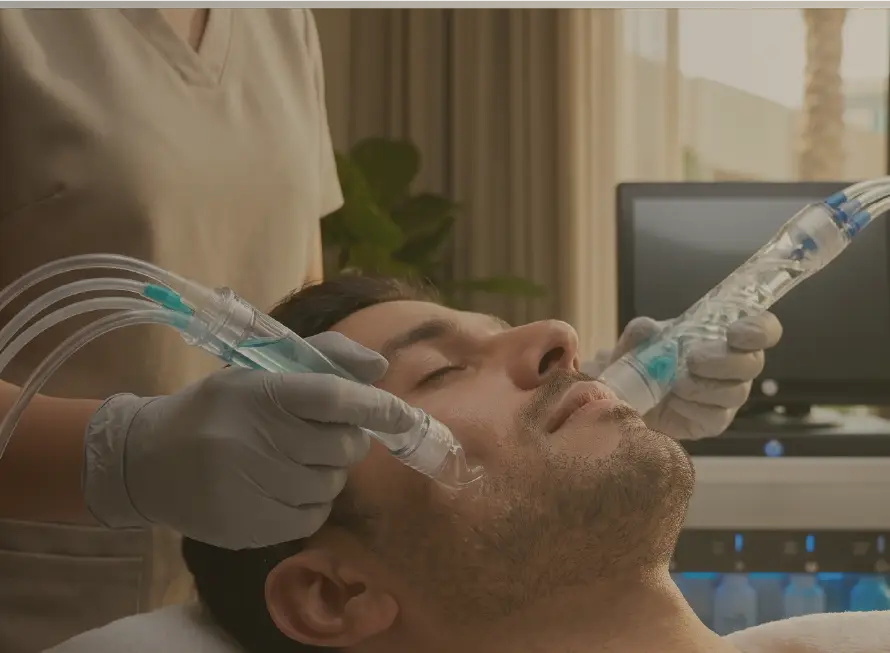
Professional extraction usually starts with reviewing skin concerns and checking whether the visible spots are suitable comedones. The practitioner may cleanse the skin, soften surface buildup, remove selected plugs with appropriate tools and finish with gentle skin care.
When extraction may be useful
A small number of persistent, accessible blackheads can be reasonable targets when the skin is otherwise calm. Extraction is often most useful as an occasional complement to an at-home routine, not a replacement for products that prevent new comedones.
When extraction should be postponed
Severely inflamed acne, an active rash, broken skin or suspected infection warrants caution. Deep painful nodules and cysts should not be squeezed in a spa setting. A dermatologist can assess whether a different treatment is needed.
What to expect after a facial extraction
Mild temporary redness can occur. Avoid rubbing the treated area, layering harsh exfoliants immediately afterward or picking at remaining spots. Ask what products were used and follow a simple cleanser, moisturizer and sunscreen routine while the skin settles.
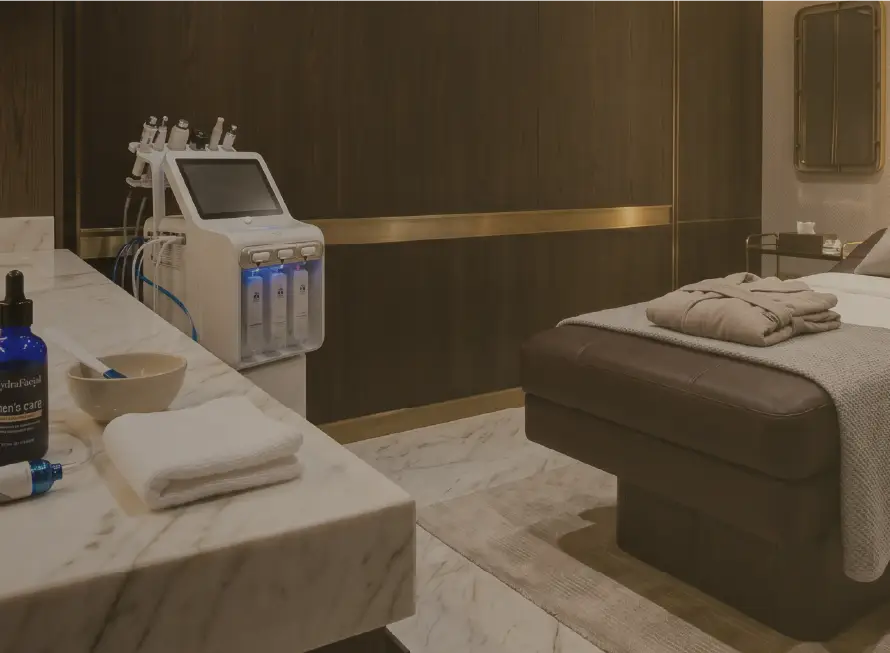
Spa Corner’s Deep Facial Treatment lists cleansing, steam, exfoliation, extraction and a mask as parts of its published facial service. The suitability of extraction depends on your skin’s condition and should be discussed before the session.
How to Prevent Blackheads From Coming Back
There is no one-time procedure that prevents every future blackhead. Skin continually produces oil and sheds cells, so maintenance matters more than repeated aggressive extraction.
• Use a gentle cleanser consistently rather than scrubbing harder after a breakout.
• Choose suitable moisturizers and sunscreens that do not feel overly heavy on your skin.
• Introduce salicylic acid or a retinoid gradually if appropriate.
• Avoid picking at pores and give treatments time to work.
• Clean shaving equipment and avoid friction when skin is irritated.
• Seek help for persistent acne instead of repeatedly booking extractions alone.
If you shave frequently, monitor whether a bump is actually an ingrown hair rather than a blackhead. Hair removal can create irritated follicular spots that need a different approach.
When Should You See a Dermatologist for Blackheads?
Seek professional medical advice if you have deep painful lumps, scars developing, widespread inflammatory acne or frequent dark marks after breakouts. You may also need a dermatologist if several over-the-counter products have failed or you are unsure whether the spots are blackheads, another condition or normal filaments.
If pregnancy or pregnancy planning is relevant, ask a clinician before using retinoids or other acne medication. Even non-prescription active ingredients can have precautions, so product suitability should be checked rather than assumed.
Frequently Asked Questions About Blackhead Removal
Can blackheads go away without squeezing?
Yes. Products such as suitable salicylic acid treatments or topical retinoids can help clear and prevent comedones over time. Squeezing is not necessary and can make the skin worse.
Are blackheads caused by poor hygiene?
No. They develop from oil and dead cells plugging follicles. The dark color reflects oxidation rather than dirt, so extra scrubbing does not fix the cause.
Should I remove every dark dot on my nose?
No. Many tiny, evenly distributed dots are normal sebaceous filaments. Trying to extract every one can irritate healthy skin and they commonly refill.
How often should I have professional blackhead extraction?
There is no universal schedule. The frequency depends on actual clogged pores, skin sensitivity and whether your home routine is working. More extraction is not automatically better.
Does a blackhead removal vacuum work?
Some suction devices may remove superficial material temporarily, but excessive suction can cause bruising, broken capillaries and irritation. They are not a substitute for a consistent acne-care routine.
Can blackheads leave scars?
Blackheads themselves are often mild, but repeated squeezing, picking or aggressive extraction can damage skin and contribute to marks or scars.
Professional Facial Care at Spa Corner Kuwait
Blackhead care works best when gentle home routines are combined with appropriate professional help rather than pressure or abrasive treatments. If you want a men’s facial in Kuwait, Spa Corner provides published cleansing and grooming options across its four branches. For persistent or painful acne, prioritize assessment by a dermatologist.
To ask about facial treatments and bookings, contact Spa Corner.