A body scrub is one of the simplest and most effective treatments for improving how your skin looks and feels, yet most men underestimate what it actually does. It goes beyond a quick rub with a rough sponge. A properly performed scrub lifts away dead skin, unclogs pores across the body, and leaves skin measurably smoother within minutes.
In this article, we will discuss what a body scrub is, the different types available, the real benefits behind the treatment, how to choose the right scrub for your skin, and what to expect from a professional session in Kuwait.
What Is a Body Scrub?
A body scrub is an exfoliating treatment that removes dead skin cells from the surface of the body using a combination of granular texture and manual friction. The abrasive particles, whether salt, sugar, or ground natural materials, physically lift away the outer layer of skin that has already died and would otherwise sit on the surface, dulling its appearance.
This differs from facial exfoliation in both intensity and area covered. Body skin is thicker and less sensitive than facial skin, which allows for a stronger scrub without the same risk of irritation. At Spa Corner, the Moroccan Bath and Body Scrub treatment applies this principle across the full body using traditional technique and natural ingredients suited to men’s skin.
How a Body Scrub Works on the Skin
Skin naturally sheds dead cells every 28 to 40 days as part of its renewal cycle, but this process slows with age and does not always clear completely on its own. Dead cells accumulate on the surface, creating a dull, rough texture and sometimes contributing to clogged pores and ingrown hairs. A body scrub speeds up this shedding process mechanically.
The physical friction of the scrub particles against the skin dislodges these dead cells and reveals the fresher, smoother skin underneath. This is why skin feels noticeably softer immediately after a scrub, and why the improvement in tone and texture is visible almost instantly rather than requiring days to develop.
Types of Body Scrubs
Salt Scrubs
Salt scrubs use coarse granules, typically sea salt or Dead Sea salt, combined with an oil base. The larger, sharper crystal structure makes salt scrubs more aggressive than sugar, which makes them effective for rough areas like elbows, knees, and heels but less suitable for sensitive skin or recently shaved areas.
Sugar Scrubs
Sugar scrubs use finer, rounder granules that dissolve more easily in water, making them gentler on the skin. This makes sugar a better choice for the torso, arms, and any area with thinner or more sensitive skin. Sugar also contains natural glycolic acid, which offers a mild additional exfoliating effect at the chemical level.
Coffee Scrubs
Ground coffee scrubs have grown popular for their texture and the circulation-boosting effect associated with caffeine applied to skin. The grounds provide a medium-intensity exfoliation, and many men find the scent and sensation genuinely energising, particularly as part of a morning routine.
Oil-Based and Herbal Scrubs
Oil-based scrubs combine exfoliating particles with a nourishing oil carrier such as olive, argan, or almond oil. These leave skin noticeably better hydrated immediately after the scrub compared to water-based formulas, which matters for men with naturally dry skin.
Moroccan Black Soap and Kessa Scrub
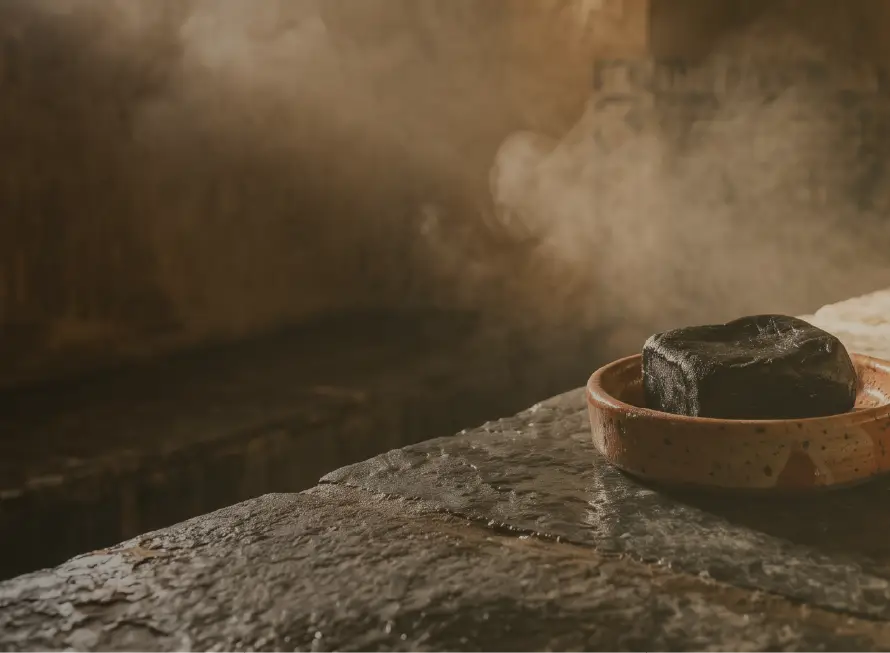
The traditional Moroccan approach uses black soap, a soft paste made from olive oil and macerated olives, to soften the skin before an exfoliating mitt called a kessa is used to physically scrub the surface. This method produces one of the most thorough exfoliation results available because the softening step allows the kessa to remove significantly more dead skin than a scrub product alone. The
Traditional Moroccan Bath at Spa Corner follows this exact sequence with professional technique, and it remains one of the most requested treatments for men looking for a genuinely deep exfoliation result rather than a surface-level scrub.
The Real Benefits of Regular Body Scrubbing
Removes Built-Up Dead Skin Cells
This is the most direct benefit and the reason every other benefit exists. Removing dead cells reveals fresher skin immediately and prevents the buildup that leads to rough patches, especially on the elbows, knees, and feet.
Improves Skin Texture Measurably
Regular scrubbing produces a smoother skin surface that continues to improve with consistent treatment. Where a single session gives an immediate result, weekly or biweekly scrubbing over a few months produces a baseline texture that stays noticeably better even between sessions.
Boosts Circulation
The manual friction involved in scrubbing stimulates blood flow to the treated area. Improved circulation supports better oxygen and nutrient delivery to skin cells, which contributes to a healthier appearance and can help reduce the look of dull, tired skin, particularly on the legs and arms.
Helps Prevent Ingrown Hairs
A significant portion of ingrown hairs form because dead skin traps a growing hair beneath the surface. Regular exfoliation clears this buildup and reduces how often ingrown hairs occur, which is particularly relevant for men who shave or wax regularly.
Improves Absorption of Moisturisers and Oils
A layer of dead skin acts as a barrier that prevents moisturising products from penetrating effectively. Once that layer is removed through scrubbing, any oil or lotion applied afterward absorbs more efficiently and delivers its benefits more directly to living skin cells.
Supports a More Even Skin Tone
Sun exposure, dead skin buildup, and uneven cell turnover all contribute to patchy or uneven skin tone over time. Consistent scrubbing helps even this out by ensuring the skin’s surface stays consistently fresh rather than a mix of old and new cell layers.
Which Type of Scrub Suits Your Skin?
Oily or thick skin on the body, common on the back, shoulders, and legs, tolerates a stronger salt-based scrub well. Sensitive or thinner skin on the torso and inner arms responds better to a sugar-based or oil-based formula. Dry skin benefits most from an oil-based scrub that exfoliates and hydrates at the same time rather than one that strips moisture away in the process.
For men who want the most complete result in a single session, the traditional black soap and kessa method addresses nearly every skin type effectively, because the softening step adjusts naturally to whatever the skin needs. This is one reason the Moroccan Bath experience at Spa Corner remains a strong option regardless of skin type.
How Often Should You Body Scrub?
Once or twice a week is the general recommendation for most skin types. Scrubbing more frequently than this risks micro-tearing the skin barrier and causing irritation rather than improvement. Areas with naturally thicker skin, such as the feet, elbows, and knees, can tolerate slightly more frequent attention.
For a deeper monthly reset, a professional session such as the VIP Moroccan Bath combines scrubbing with additional steps like steam, black soap softening, and rich oil application, producing a result that a home scrub alone cannot fully replicate.
What to Expect During a Professional Body Scrub Session
A professional session typically begins with steam or warm water to soften the skin and open pores, preparing the body for more effective exfoliation. The scrub is then applied by hand in firm, systematic strokes across the body, followed by rinsing and a final application of oil or moisturiser to lock in hydration.
The sensation during the scrub is a firm, slightly abrasive pressure rather than pain. Skin typically looks visibly brighter and feels noticeably smoother the moment the session ends, and this result tends to hold for several days before beginning to fade as new dead skin accumulates again. For a fuller picture of what a complete session includes, the Moroccan bath benefits guide covers the wider effects of the ritual beyond exfoliation alone.
Body Scrub at Home vs Professional Treatment
A home scrub is a reasonable weekly maintenance step, but it is limited by reach, consistency of pressure, and the fact that most people cannot scrub their own back effectively. A professional session covers the entire body evenly, including areas that are difficult to reach alone, and uses techniques like the kessa mitt that are hard to replicate with a store-bought product.
For men who want both convenience and a deeper result, alternating between home maintenance and a monthly professional session, such as those offered through Spa Corner’s packages, produces the most consistent long-term skin condition. Combining a scrub session with a massage on the same visit is also an efficient way to address both skin texture and muscle tension together.
Who Should Avoid Body Scrubbing?
Men with active sunburn, open wounds, eczema flare-ups, or recently irritated skin should avoid scrubbing until the skin has fully healed. Those with rosacea or highly reactive skin conditions should use only the gentlest sugar-based formulas and avoid salt scrubs entirely. If in doubt, a quick conversation with the team via the contact page before booking is the safest approach.
Frequently Asked Questions About Body Scrubs
Can a body scrub help with dry skin?
Yes, particularly oil-based scrubs. Removing dead skin allows moisturisers to absorb more effectively afterward, which directly improves how dry skin looks and feels. Following the scrub with a rich oil or lotion is essential to lock in that improvement.
Is it normal for skin to feel tight after a scrub?
Mild tightness immediately after rinsing is normal, especially with salt-based scrubs, and it resolves once moisturiser is applied. Persistent tightness or redness beyond a few hours suggests the scrub was too abrasive for your skin type on that occasion.
Can a body scrub remove tan or dark patches?
A scrub can lighten the surface appearance of uneven tanning by removing the outer layer of tanned dead skin, but it does not change melanin production at a deeper level. For genuine pigmentation concerns, a dermatologist consultation is more appropriate than relying on exfoliation alone.
How long do the results of a body scrub last?
Most men notice smoother skin for three to seven days after a single session, depending on skin type and how quickly new dead cells accumulate. Regular sessions extend this improvement into a consistent baseline rather than a temporary spike.
Should I scrub before or after shaving?
Scrubbing before shaving is generally better, as it lifts trapped hairs and softens the skin, making the shave closer and reducing the risk of ingrown hairs. Avoid scrubbing immediately after shaving, since the skin is more sensitive and prone to irritation at that point.
Plan Your Next Body Scrub Session
A body scrub is a small addition to a self-care routine that produces a genuinely visible difference, and the type you choose should match your skin’s actual condition rather than whatever is easiest to find at a store. A simple weekly home routine keeps skin maintained between visits, but a full traditional session covers ground that home care cannot reach on its own, and consistency is what turns a single good result into a lasting improvement.
Book your appointment at the branch nearest you and let the team recommend the scrub type that matches your skin.