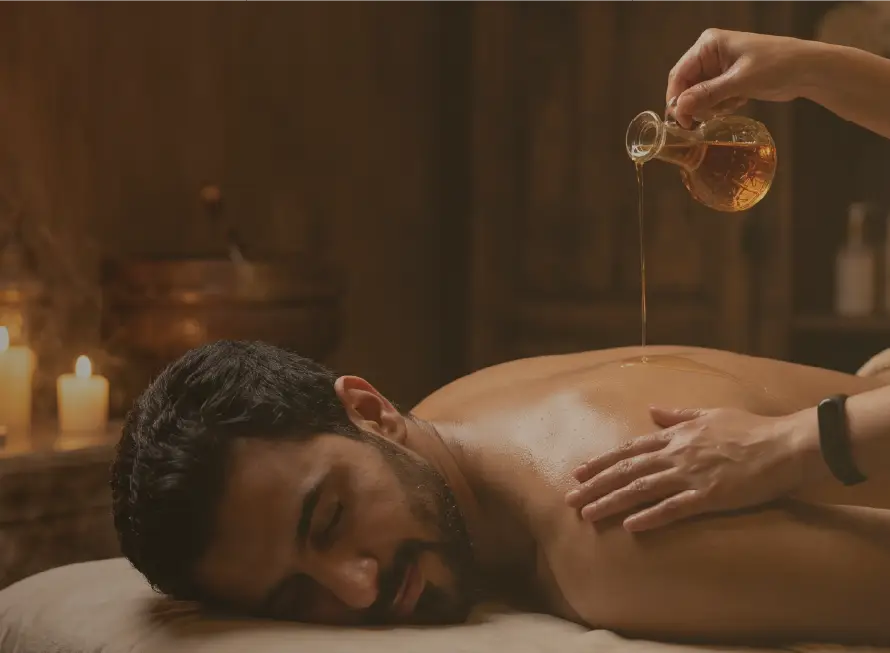
Head massage is often treated as a quick add-on to a longer session, yet it addresses tension in a way few other treatments can match. The scalp, neck, and temples hold a surprising amount of stress that builds up from screen time, poor posture, and mental strain, and a properly delivered head massage reaches all three areas at once.
In this article, we will discuss what head massage is, the benefits it delivers, the main pressure points involved, common techniques used, the ideal session duration, and what to expect from a professional treatment.
What Is Head Massage?
Head massage is a targeted treatment focused on the scalp, temples, neck, and sometimes shoulders, using a combination of kneading, pressure point work, and gentle stretching. It can be performed dry or with warm oil, and is used both as a standalone treatment and as part of a longer massage session.
Unlike a full-body massage that works broadly across muscle groups, head massage concentrates entirely on a small but heavily tension-prone area. At Spa Corner, the Shirodhara Fusion is built specifically around this concentrated approach, using technique and oil suited to the scalp and head region.
Benefits of Head Massage
Relief From Tension Headaches
Tension headaches are frequently caused by tight muscles in the scalp, temples, and the base of the skull. Head massage directly targets these muscles, releasing the tightness that contributes to headache frequency and intensity, often producing noticeable relief within the session itself.
Improved Scalp Circulation
The kneading and pressure applied during a head massage stimulates blood flow to the scalp, which supports healthier hair follicles and can contribute to a fuller, more resilient appearance over time with consistent sessions.
Stress Reduction
The head and scalp carry a disproportionate share of stress-related tension. Working this area activates the parasympathetic nervous system, producing a calming effect that many clients describe as more immediate than a full-body massage aimed at broader relaxation.
Better Sleep
The relaxation response triggered by scalp and temple work tends to carry into the hours following a session, supporting easier sleep onset for those whose sleep issues are linked to mental or physical tension rather than other causes.
Support for Hair and Scalp Health
Beyond relaxation, regular scalp stimulation supports the health of the skin and follicles beneath the hair, particularly when combined with a nourishing oil suited to the scalp’s condition.
Key Pressure Points Used in Head Massage
The temples are one of the most responsive areas, and gentle circular pressure here is one of the fastest ways to reduce the sensation of a tension headache. The base of the skull, where the neck meets the head, holds significant tension from screen use and poor posture, and working this area often produces relief that extends down into the shoulders as well.
The crown of the head and the points along the hairline are used to address more generalised tension across the scalp, while gentle pressure behind the ears can help with a lingering, dull ache that often accompanies stress-related tension. Combining these points with shiatsu style acupressure technique extends the benefit further into the neck and shoulders.
Common Head Massage Techniques
Indian Head Massage
Also known as champissage, this technique combines kneading, tapping, and pressure across the scalp, shoulders, and upper back. It is typically performed without oil, though warm oil variations are common, and is one of the most widely practised head massage styles globally.
Shiatsu-Style Acupressure
This approach applies sustained pressure to specific points on the head and neck believed to correspond to areas of tension and energy flow. It tends to feel more precise and targeted than broader kneading techniques.
Scalp Kneading
A more generalised technique using the fingertips to knead the scalp in circular motions, this method is often used at the start or end of a longer session to bridge into or out of other massage work.
Combined Oil-Based Technique
Warm oil is applied to the scalp before massage begins, allowing smoother, more flowing strokes while nourishing the scalp directly. This approach is often paired with aromatherapy oil blends for an added calming effect through scent.
Ideal Duration for a Head Massage Session
A standalone head massage typically runs between 20 and 30 minutes, which is sufficient time to work through the scalp, temples, and neck without rushing any single area. Sessions shorter than 15 minutes rarely allow enough time for the nervous system to fully shift into a relaxed state.
When combined with a full body treatment, head massage is often allocated 10 to 15 minutes as a finishing segment, which is enough to address the most tension-heavy points without significantly extending the overall session length. The VIP Massage at Spa Corner typically incorporates this kind of extended head and neck focus within a longer combined format.
What to Expect During a Session
A session usually begins seated or reclined, with the therapist assessing areas of visible or reported tension before beginning. Pressure starts lighter and increases gradually as the scalp and muscles warm up and respond to touch.
Most clients feel an immediate reduction in tension around the temples and base of the skull within the first several minutes. Mild lightheadedness or a strong urge to close your eyes is a common and normal response as the nervous system shifts into a more relaxed state.
Who Should Consider Head Massage?
Men who spend long hours at a desk or looking at screens are prime candidates, as this lifestyle pattern consistently produces the exact tension head massage targets. It is also a strong option for those dealing with frequent tension headaches, high stress levels, or difficulty winding down before sleep.
For a broader look at how head and scalp work fits into overall massage benefits, the full body massage benefits guide covers how targeted and full-body approaches complement each other.
Who Should Be Cautious
Those with recent scalp injuries, active skin conditions on the scalp, or migraines triggered specifically by touch or pressure should discuss this with the therapist before booking. Very recent hair treatments involving chemicals may also need a short waiting period before scalp massage.
Frequently Asked Questions About Head Massage
Can head massage help with migraines?
It can help with tension-type headaches effectively, and some migraine sufferers find it reduces frequency when used preventively. However, during an active migraine, touch can sometimes worsen symptoms, so timing matters and should be discussed with the therapist.
How often should you get a head massage?
Weekly sessions work well for those managing chronic tension or frequent headaches. For general maintenance and stress relief, every two to three weeks is a practical and sustainable rhythm.
Is oil necessary for head massage?
No, dry technique is equally effective for tension relief and is often preferred by those who do not want oil in their hair. Oil-based sessions add a nourishing element for the scalp and hair itself, which is a separate benefit rather than a requirement for the massage to work.
Can head massage be combined with a facial or other treatment?
Yes, and this is a common pairing. Combining head massage with a session covered in the face massage benefits guide addresses tension across the entire head and face region in one visit.
Does head massage help with hair loss?
It supports scalp circulation, which is one factor in follicle health, but it is not a standalone treatment for significant hair loss with an underlying medical cause. It works best as a supportive habit alongside other hair care measures rather than a primary solution.
Book a Head Massage Session
Head massage delivers results that are disproportionate to how quickly a session can be worked into a visit, particularly for anyone carrying tension from screen time or stress. Choosing a setting with a therapist trained in proper pressure point technique is what separates a genuinely effective session from a generic scalp rub.
Book your appointment at the branch nearest you and ask about adding head massage to your next session.